
One-Pot Millet Pilaf With Vegetables & Turmeric
The recipe is generally suitable for GERD as it avoids common triggers like spice and acidity, but individual tolerance to onion, garlic, and fats should be considered.
Adapted from Food52, by Amy Chaplin
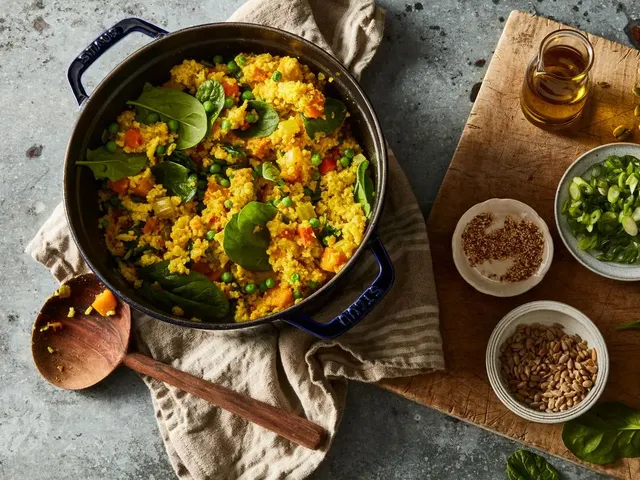
Ingredients
- 1 cup millet, soaked overnight in about 2 cups filtered water
- 1 tablespoon coconut oil or ghee
- 1 small yellow onion, diced
- 1/2 teaspoon sea salt
- 1/2 teaspoon turmeric powder
- 1 1/2 cups butternut squash, cut into a ½-inch dice
- 1/2 cup carrot, cut into a ½-inch dice
- 1/2 cup celery, cut into a ½-inch dice
- 2 1/2 cups cups filtered water
- 1/2 cup frozen peas
- 2 cups baby spinach, lightly packed
- Tamari, thinly sliced scallions, toasted seeds (like sunflower, pumpkin, sesame), extra-virgin olive oil, and freshly ground black pepper, for garnish
Method
- Drain and thoroughly rinse the millet; set aside in a strainer while you start the pilaf. Set the peas aside and allow them to begin defrosting.
- In a medium pot (3 or 4-quart is perfect) over medium heat, warm oil or ghee and add onions. Sauté for 5 minutes or until golden, then stir in salt and drained millet. Continue cooking for a couple more minutes to coat millet in oil and cook off any excess water (from washing).5 min timer
- Stir in turmeric and spread millet over the bottom of the pot. Cover with squash, carrots, and celery and pour in water. Bring up to a boil over high heat; cover pot, reduce heat to low, and simmer for 30 minutes or until all the water is completely absorbed.30 min timer
- Remove the lid and sprinkle peas over the surface of the pilaf; top with spinach and immediately return the lid. Set aside for 10 minutes (or until peas are defrosted and spinach has wilted), then gently fold spinach and peas through pilaf.10 min timer
- Divide into bowls and top with tamari, scallions, toasted seeds, olive oil, and a pinch of black pepper.
- Note: Any leftover pilaf can be stored in an airtight container in the fridge for up to 3 days. It’ll become quite firm when cool but will soften again once reheated. To reheat, place pilaf in a steamer and steam until heated through.
GERD check: watch for chili and pepper heat, citrus, tomato, coffee, chocolate, alcohol and very fatty foods. Gluten gives food ideas, not medical advice: always check labels for allergens and cross-contact.




Make this fit your whole family
Add who’s at your table, with their conditions, allergies and ages. Gluten checks this recipe for each of them and adds a swap where someone needs one. 7 days free, then $49.99 a year.
More GERD recipes

Chia Seed Pudding Recipe
The Chia Seed Pudding is generally heart-healthy due to chia seeds' omega-3 fats and fiber. Use low-sodium milk and limit added sweeteners to minimize sodium and manage hypertension.

Perfect Baked Sweet Potato
Baked sweet potatoes are typically GERD-friendly due to their low fat content and alkaline nature, which can be soothing for the esophagus.
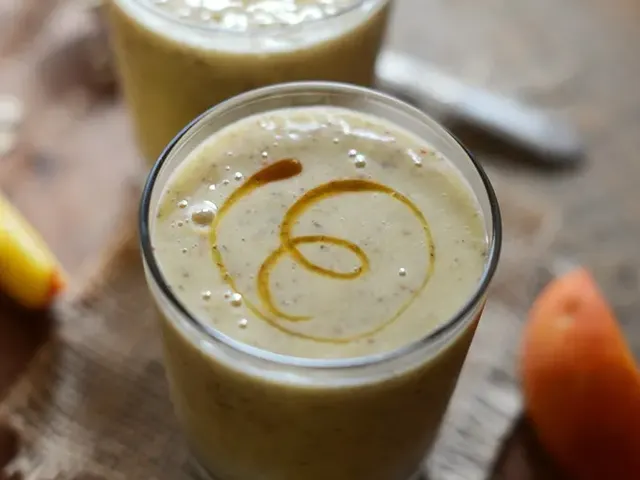
Peach Oat Smoothie
Peach Oat Smoothie: a snack that fits Acid reflux (GERD).

Salmon Bowls
This recipe is appropriate for bile reflux as it includes a variety of nutritious ingredients like salmon, avocado, and cucumber. However, spicy components like sriracha mayo and high-fat items may need to be adjusted based on individual tolerances.
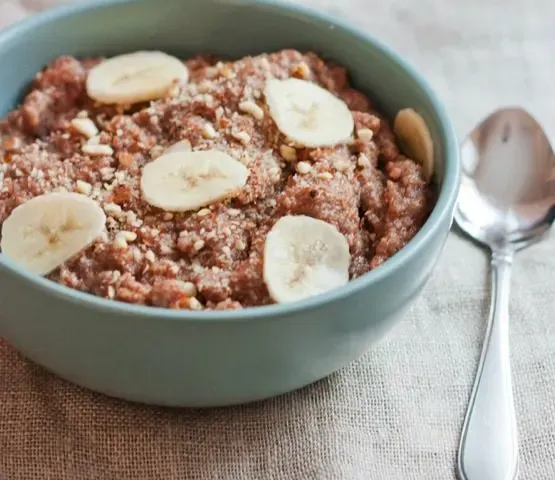
Banana Almond Teff Porridge
This recipe is suitable for bile reflux as it contains whole grain teff, low-fat almond milk, and healthy fats from almond and coconut oil. It’s important to watch portion size and avoid excessive added sugars like maple syrup.

Veggie Stuffed Omelet
This recipe is appropriate for a balanced diet. It includes a variety of vegetables, uses minimal oil, and incorporates a small amount of reduced-fat cheese.
This recipe also fits: Celiac recipes, Diabetes recipes, High blood pressure recipes, Mediterranean recipes, Balanced recipes, Gluten-free recipes, Vegetarian recipes.