Is soy sauce gluten-free?
Usually not. Traditional soy sauce is brewed from soybeans and wheat. Buy a bottle labeled gluten-free instead: most are tamari, and some are soy sauce brewed with rice.
 Plan your dinnersFree on iPhone, Android and the web.

Updated November 4, 2026
Why most soy sauce has gluten
Soy sauce is made by fermenting soybeans with a grain, and that grain is usually wheat. The FDA says soy sauce made from soybeans and wheat generally can’t carry a “gluten-free” claim. The Celiac Disease Foundation lists traditional soy sauce among the foods that contain gluten.
There’s a catch with fermented food: there’s no valid test for gluten after fermentation. So for a fermented food like soy sauce, a “gluten-free” label rests on what went in. The FDA’s 2020 rule looks at whether the food was gluten-free before fermenting, and the maker has to keep records to show it.
What to buy
| Bottle | Made from | Gluten-free? |
|---|---|---|
| Regular soy sauce | Soybeans, wheat, salt | No |
| Less-sodium soy sauce | Usually the same, with less salt | No, unless the label says so |
| Tamari with “gluten-free” on the label | Soybeans, salt, no wheat | Yes |
| Tamari with no gluten-free claim | Soybeans, salt and sometimes a little wheat | Assume no. Read the ingredients |
| Gluten-free soy sauce | Soybeans, rice, salt | Yes |
| Coconut aminos | Coconut sap, salt. No soy, no wheat | Check the label |
Two examples, as their makers describe them today: Kikkoman Gluten-Free Soy Sauce lists water, soybeans, rice and salt, and San-J’s gluten-free tamari is 100% soy with no wheat. Recipes change, so the label on the bottle in your hand is the one that counts. We have no connection with either company.
How they swap in a recipe
- Tamari: one for one. It’s a little darker and rounder, and most people won’t notice in a stir-fry.
- Gluten-free soy sauce: one for one, and it tastes closest to what you’re used to.
- Coconut aminos: use a little more, cut back any sugar in the sauce, and add salt to taste. This is the swap for a soy allergy or AIP.
Where else it hides
Soy sauce is an ingredient in a lot of other things, so these need a label check or a question:
- Teriyaki, hoisin, oyster sauce, ponzu and eel sauce
- Marinades and salad dressings, which can also have malt vinegar or flour
- Worcestershire sauce, which can have soy sauce or malt vinegar in it depending on the brand
- Fried rice, stir-fries and Asian-style sauces at restaurants
- Imitation crab, and tofu or meat that’s been marinated
At a restaurant, “gluten-free” on the menu should meet the FDA’s definition, but the rule is written for packaged food. Ask what soy sauce the kitchen uses and how the dish is cooked. Some people carry their own tamari.
Takeout dishes to make at home
These all use tamari from the start: gluten-free fried rice, teriyaki chicken, lo mein and beef and broccoli. There’s more under gluten-free Chinese recipes and gluten-free Asian recipes.
Recipes to start with
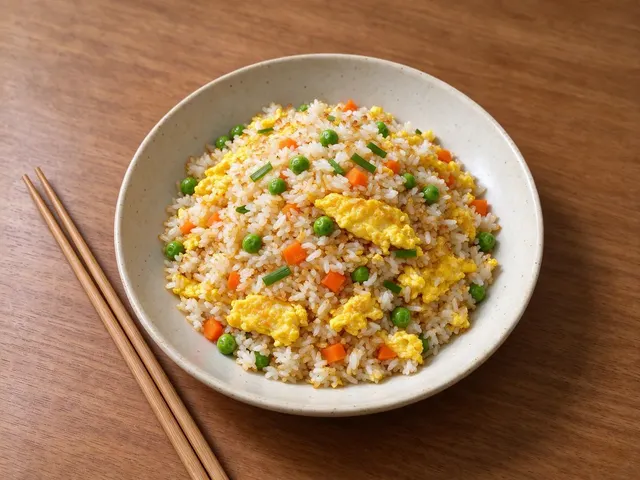

Gluten-free fried rice
Golden egg fried rice with crisp-edged rice, sweet carrots, peas and a savoury tamari gloss — ready in 25 minutes.
Kids’ plate: Egg fried rice
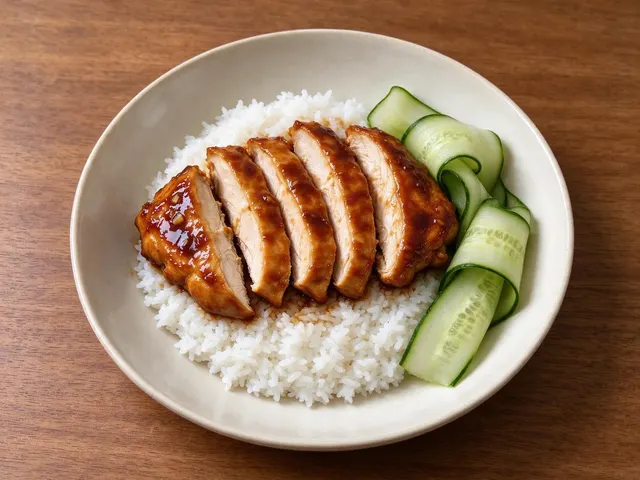

Gluten-free teriyaki chicken
Chicken thighs seared then glazed in a homemade tamari-honey teriyaki, over rice with cool cucumber ribbons.
Kids’ plate: Teriyaki chicken strips
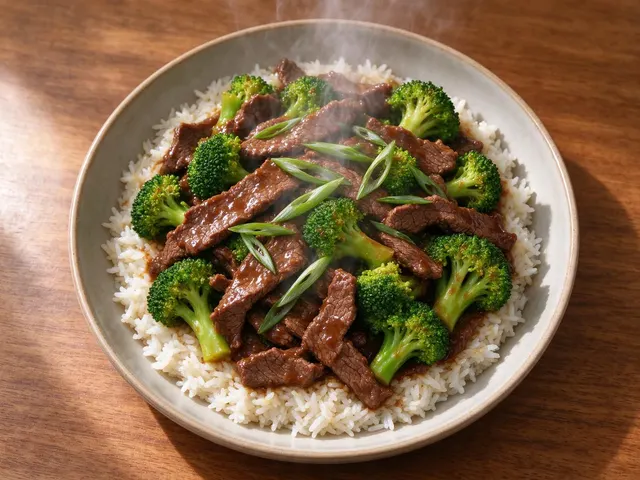
Gluten-free beef and broccoli
Tender beef and broccoli in a glossy tamari and ginger sauce, spooned over jasmine rice.
Kids’ plate: Beef and broccoli rice bowls
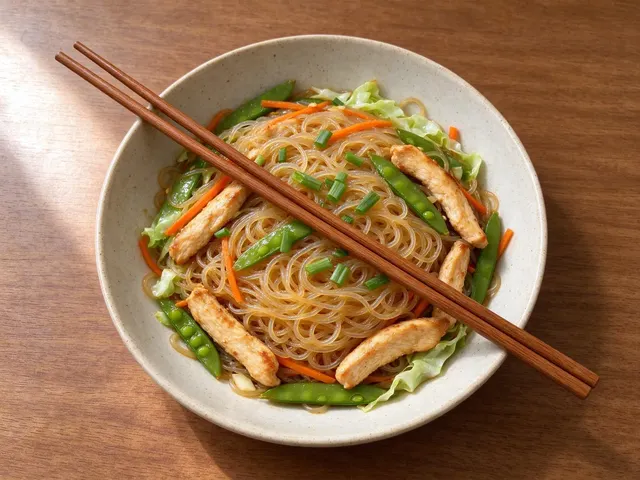
Gluten-free lo mein
Slippery rice noodles tossed with golden chicken strips, crisp carrots, snap peas and cabbage in a garlicky tamari sauce.
Kids’ plate: Chicken noodle twirlers
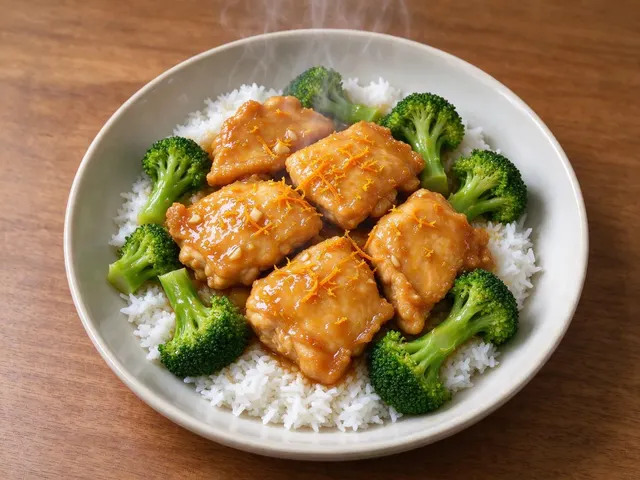

Gluten-free orange chicken
Crispy pan-fried chicken in a sticky orange, garlic and ginger sauce, served over steamed rice with broccoli.
Kids’ plate: Orange chicken bites
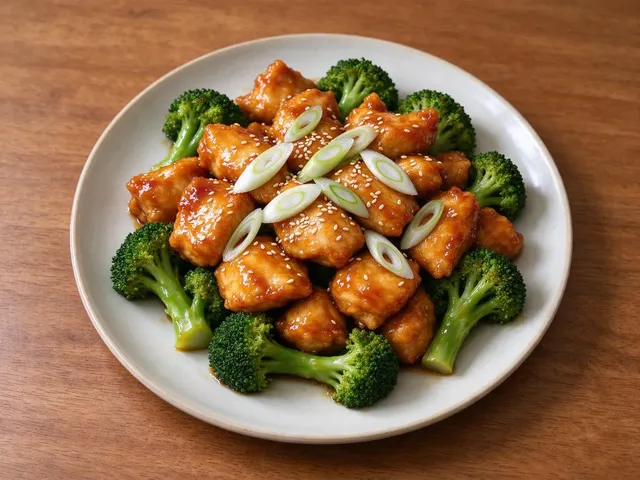
Gluten-free General Tso's chicken
Crispy chicken tossed in a sticky, sweet-tangy sauce with steamed broccoli and sesame seeds.
Kids’ plate: Sweet honey chicken bites

Cooking for more than one diet?
Add everyone you cook for, with their allergies, diets and ages. Gluten checks every recipe for each of them and tells you what to change for anyone who can’t eat it as written. It’s free.
Questions
Does soy sauce have wheat in it?
Most does. The FDA describes soy sauce as a food ordinarily made by fermenting soybeans and wheat. Some are made without wheat, and those are the ones that can say gluten-free.
Is tamari gluten-free?
Not automatically. Tamari made without wheat is gluten-free, but some tamari has a little wheat in it. Buy one that says gluten-free on the label.
What’s the difference between tamari and soy sauce?
Tamari has more soybeans and little or no wheat, so it tastes rounder and less sharp. Regular soy sauce is brewed with wheat as well as soy. In a recipe you can swap one for the other in equal amounts.
Is Kikkoman soy sauce gluten-free?
Kikkoman’s traditional soy sauce isn’t, because it’s brewed with wheat. It sells a separate Gluten-Free Soy Sauce, listed as water, soybeans, rice and salt, and a gluten-free tamari. Its regular tamari has a touch of wheat. Go by the words on the bottle in front of you.
What’s the best gluten-free substitute for soy sauce?
Tamari labeled gluten-free is closest. Coconut aminos work if you also avoid soy, but they’re sweeter and less salty, so use a little more and taste for salt.
Are coconut aminos AIP?
Yes, they’re the usual soy sauce swap on AIP, because soy is a legume and leaves with the rest of them. Check for added ingredients.
Sources
- FDA: Questions and answers on the gluten-free food labeling rule
- Federal Register: Gluten-free labeling of fermented or hydrolyzed foods (2020)
- Celiac Disease Foundation: Sources of gluten
- Kikkoman: Gluten-Free Soy Sauce
- Kikkoman: Tamari Soy Sauce
- San-J: Gluten-Free Tamari Soy Sauce
- FDA: “Gluten-free” means what it says
Gluten gives food ideas, not medical advice. Recipes are checked against the restrictions you enter, but always check labels for allergens and cross-contact, and talk to your doctor or dietitian about your diet.